


The scent of corn chips coming from your dog's paws is often referred to as "Frito feet" or "popcorn paws." This corny phenomenon is usually caused by Proteus, a bacteria in dogs' feet. In this blog post, we'll explore what Proteus bacteria are, why they can be problematic, and how to address and prevent potential issues.
Understanding Proteus Bacteria
Proteus bacteria are a type of Gram-negative bacillus that can be found in various environments, including soil and water. These bacteria are part of the normal flora of the gastrointestinal tract in many animals, including dogs. In most cases, Proteus bacteria do not cause harm to dogs. However, when they find their way into a dog's feet or other body parts, problems can arise.
Why Proteus Can Be Problematic in Dogs' Feet
Proteus bacteria can become problematic when they invade a dog's feet, leading to a condition known as pododermatitis, or simply, "hot spots." Hot spots are areas of inflamed and infected skin that can be intensely itchy and painful for dogs. There are several reasons why Proteus can be troublesome in dogs' feet:
Moisture and Warmth: Proteus bacteria thrive in warm and moist environments, which are often present between a dog's toes. This makes the paws an ideal location for these bacteria to grow and cause infection.
Scratching and Licking: When a dog experiences itchiness or discomfort in their paws due to allergies, injuries, or other factors, they may scratch or lick the area excessively. This can break the skin and provide an entry point for Proteus bacteria.
Self-Infection: Dogs can carry Proteus bacteria in their mouths, and when they lick or bite at their paws, they may introduce these bacteria to the already compromised skin, leading to infection.
Allergies: Dogs with allergies, whether food or environmental, are more prone to hot spots and bacterial infections. Allergic reactions can cause itching and inflammation, encouraging dogs to lick or chew at their paws.
Addressing Proteus Infections in Dogs' Feet
If you suspect that your dog may have a Proteus infection in their feet, it's essential to address it promptly to prevent further discomfort and complications. Here are some steps to take:
Keep the Area Clean and Dry: Gently clean the affected area with a mild antiseptic solution recommended by your vet. Ensure the area stays dry, as moisture can exacerbate the problem.
Prevent Licking and Chewing: Use an Elizabethan collar or a specialized paw cover to prevent your dog from licking or chewing at their paws while they heal.
Address Underlying Issues: If allergies are contributing to your dog's paw problems, work with your veterinarian to identify and manage the allergen triggers.
Preventing Proteus Infections in Dogs' Feet
Prevention is often the best strategy to avoid Proteus infections in your dog's feet. Here are some preventive measures:
Regular Paw Checks: Inspect your dog's paws regularly for signs of irritation, redness, or infection. Catching issues early can prevent them from becoming more severe.
Proper Grooming: Keep the hair around your dog's paws trimmed to reduce moisture retention and bacteria buildup.
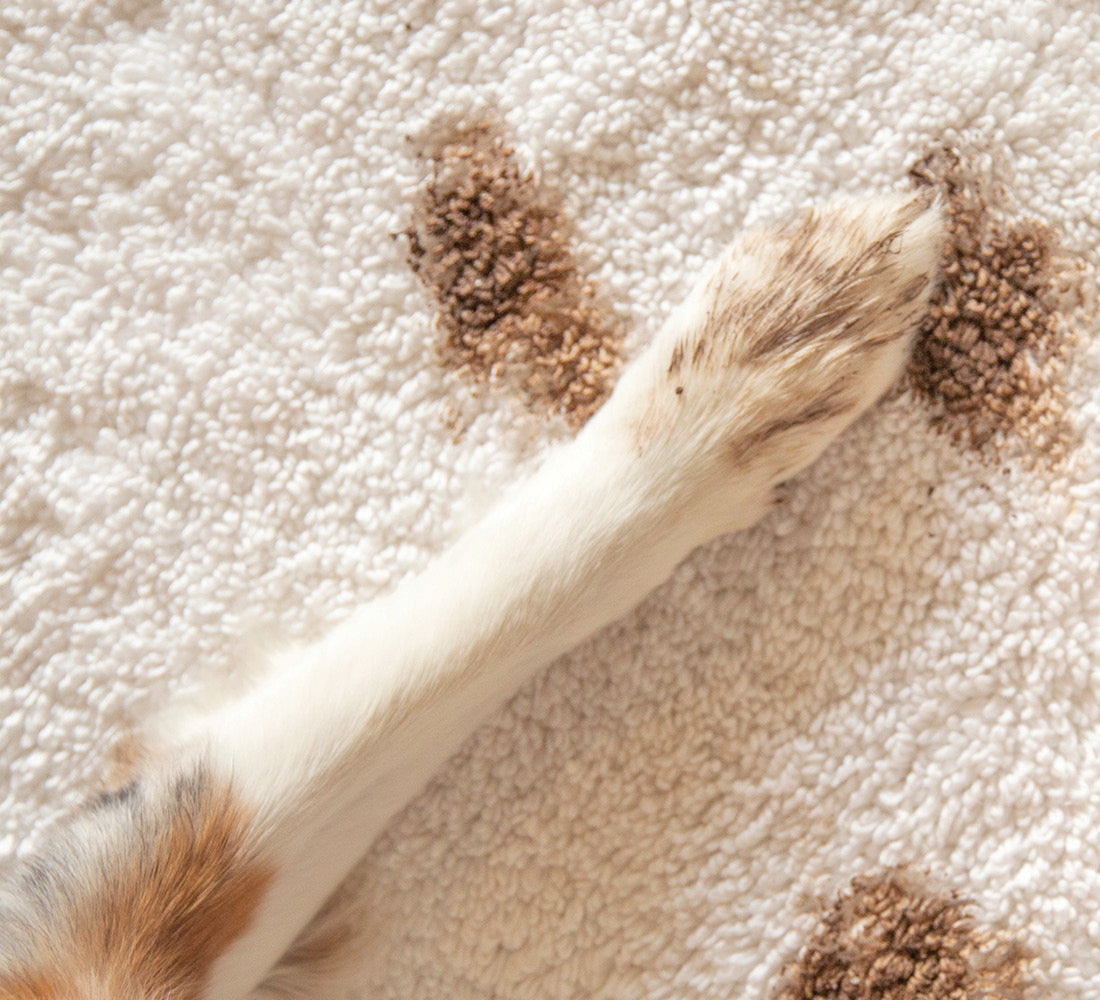
Good Hygiene: Clean your dog's paws after walks or outdoor activities, especially in wet or muddy conditions.
Allergy Management: If your dog has allergies, work with your veterinarian to develop a management plan, which may include dietary changes, allergy testing, or medication.
Conclusion
Proteus infections in dogs' feet can be uncomfortable and painful for your furry friend. By understanding the risk factors, signs, and preventive measures, you can help keep your dog's paws healthy and infection-free. Always consult your veterinarian for proper diagnosis and treatment if you suspect your dog may have a paw infection or hot spot. With proper care and attention, you can ensure your dog's paws remain happy and free from bacterial woes.
Why Do Dogs Eat Their Own Poo? (Cuz Eww, Gross)
Being Mindful of Ingredients